PrólogoPrologue
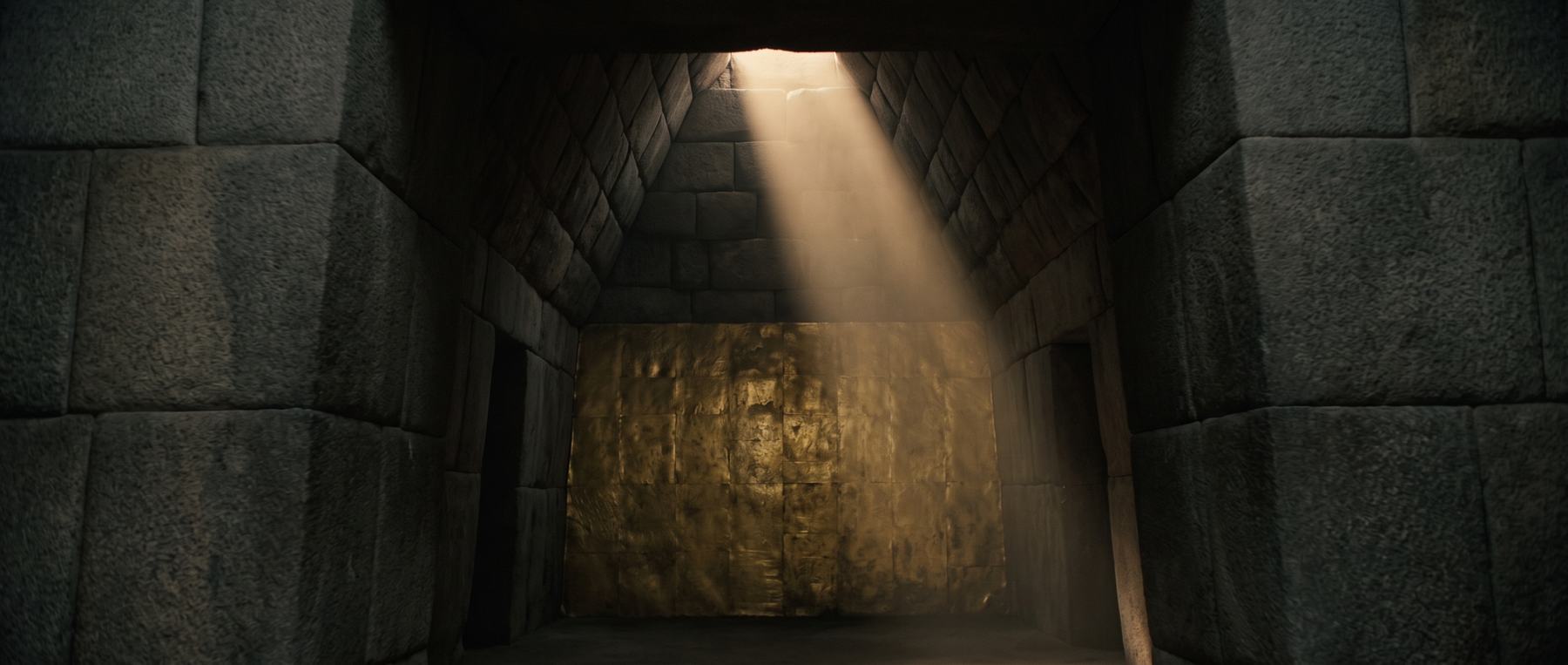
Sentado sobre a frieza silenciosa do granito sagrado do Coricancha¹, o templo mais opulento da nação Tawantinsuyu², está um jovem de cabelos da cor do fogo. Ele permanece imóvel, o rosto voltado para a gigantesca estátua de ouro puro que representa Punchao³, o Sol-menino — ídolo da linhagem real dos incas. A luz da tarde penetra em feixes pela abertura superior, refletindo nos ídolos, nos vasos, nos painéis... em tudo. O salão não tem sombras: ele brilha como se fosse o próprio céu feito ouro.
Seu nome não importa. Nem a ele, que o carrega sem raízes.
Eles o chamam de Ori — um som estranho entre os nomes aruaques, um sopro diferente entre as folhas da mata. Mas que outro nome se daria a alguém que caiu do céu, se levantou da terra e fala línguas que ninguém ensinou?
Ali, entre os filhos do Sol, é adorado como Inti renascido. Caminha sobre tapetes de vicunha, é servido por dezenas de yacarunas⁴, e cada palavra que pronuncia é repetida com reverência pelos sacerdotes, como se fosse um decreto cósmico. Mas hoje ele está em silêncio.
Do lado de fora, o mundo ruge.
O som das trompetas de guerra quebrou a oração matinal. Agora, Ori ouve os tambores de pedra batendo rápido, os gritos abafados dos guerreiros e o trovão metálico das espadas dos homens de ferro. Pizarro está às portas de Cuzco.
Ori levanta-se com serenidade. Veste a sua chucu⁵ cerimonial com os emblemas de Inti bordados em prata. Pega o pesado hualcana⁶ — um escudo de cobre sagrado — e sente seu peso no braço como se já fosse extensão do próprio corpo. Seus dedos deslizam pelo cabo da cunca chucuna⁷, uma lâmina cerimonial afiada como o julgamento dos deuses. Não há medo. Em seus olhos há apenas memória — ou algo que se parece com memória.
Já lutou antes? Não pode saber.
Mas seu corpo age como se soubesse cada movimento. Como se a guerra estivesse escrita nos ossos.
No entanto, em meio ao frenesi de preparação, algo o paralisa:
“Por que luto?”
“Para quem luto?”
“Contra o quê?”
As perguntas ecoam dentro de si como vozes ancestrais, e por um momento o som dos golpes do lado de fora parece distante. Ori abaixa os olhos. Lá, refletida no escudo, está sua própria imagem — mas distorcida. Por um instante, vê não a si mesmo, mas outros rostos, de tempos e lugares diferentes, todos com seus olhos.
“Quem sou eu?
O que sou eu?”
O estrondo violento da porta interrompe a espiral mental. A madeira maciça finalmente cede sob os golpes dos invasores. Ori ergue os olhos. O ouro do templo reflete os primeiros espanhóis que entram — seus elmos cintilando, espadas erguidas, olhos famintos. Pode contar cinco... oito... talvez mais.
E então, algo dentro dele brilha.
O calor sobe pelos dedos, pelos braços, até os olhos. Ori esboça um sorriso lento e sereno. Não há ódio. Nem medo.
A voz que narra tudo isso é interrompida.
— Como você sabe disso? — alguém pergunta, fora da cena, como um sussurro rasgando o tempo.
Há uma breve pausa.
Não longa.
Não dramática.
Apenas suficiente para que a resposta exista.
— Porque eu vi — responde a voz.
Silêncio.
Há um instante em que a voz parece hesitar — não por dúvida, mas como quem mede o peso do que escolheu.
— Eu estava lá.
- Coricancha: Templo do Sol em Cuzco, coração espiritual do Império Inca.
- Tawantinsuyu: Nome que os incas davam ao seu império, “as quatro partes unidas”.
- Punchao: Representação do Deus Sol criança, imagem sagrada dos Incas.
- Yacarunas: Espíritos ou servos aquáticos na mitologia amazônica, usados aqui como analogia poética para servidores do templo.
- Chucu: Peça de vestimenta Inca, semelhante a um poncho ou túnica cerimonial.
- Hualcana: Escudo de cobre ou bronze usado por guerreiros Incas.
- Cunca chucuna: Lança ou lâmina cerimonial com ponta de obsidiana ou metal, usada em rituais e combates simbólicos.
Seated on the silent cold of the sacred granite of the Coricancha¹, the most opulent temple of the Tawantinsuyu² nation, is a young man with hair the colour of fire. He does not move. His face is turned to the enormous statue of pure gold that represents Punchao³, the Child Sun — idol of the royal Inca line. The afternoon light comes down in shafts through the opening above, catching the idols, the vessels, the panels... everything. The hall has no shadows: it shines as though the sky itself had been made of gold.
His name does not matter. Not even to him, who carries it without roots.
They call him Ori — a strange sound among Arawak names, a different breath between the leaves of the forest. But what other name would you give someone who fell from the sky, rose out of the earth, and speaks languages no one taught him?
There, among the children of the Sun, he is worshipped as Inti (the Sun) reborn. He walks on vicuña rugs, is served by dozens of yacarunas⁴, and every word he speaks is repeated with reverence by the priests, as though it were a cosmic decree. But today he is silent.
Outside, the world roars.
The sound of war trumpets broke the morning prayer. Now Ori hears the stone drums beating fast, the muffled shouts of the warriors and the metal thunder of the swords of the iron men. Pizarro is at the gates of Cuzco.
Ori rises calmly. He puts on his ceremonial chucu⁵ with the emblems of Inti embroidered in silver. He takes up the heavy hualcana⁶ — a sacred copper shield — and feels its weight on his arm as though it were already an extension of his own body. His fingers slide along the haft of the cunca chucuna⁷, a ceremonial blade sharp as the judgement of the gods. There is no fear. In his eyes there is only memory — or something that resembles memory.
Has he fought before? He cannot know.
But his body moves as though it knew every motion. As though war were written in the bone.
And yet, in the middle of the frenzy of preparation, something stops him:
“Why do I fight?”
“For whom do I fight?”
“Against what?”
The questions echo inside him like ancestral voices, and for a moment the sound of the blows outside seems distant. Ori lowers his eyes. There, reflected in the shield, is his own image — but distorted. For an instant he sees not himself but other faces, from other times and other places, all of them with his eyes.
“Who am I?
What am I?”
The violent crash of the door interrupts the spiral. The solid wood finally gives under the blows of the invaders. Ori lifts his eyes. The gold of the temple reflects the first Spaniards coming through — helmets glinting, swords raised, eyes hungry. He can count five... eight... perhaps more.
And then something inside him shines.
The heat rises through his fingers, through his arms, up to his eyes. Ori lets out a slow, serene smile. There is no hatred. No fear.
The voice telling all of this is interrupted.
“How do you know this?” someone asks, from outside the scene, like a whisper tearing through time.
There is a brief pause.
Not long.
Not dramatic.
Only enough for the answer to exist.
“Because I saw it,” the voice replies.
Silence.
There is a moment in which the voice seems to hesitate — not from doubt, but like someone weighing what he has chosen.
“I was there.”
- Coricancha: Temple of the Sun in Cuzco, spiritual heart of the Inca Empire.
- Tawantinsuyu: The name the Incas gave their empire, “the four parts united”.
- Punchao: Representation of the Child Sun God, sacred image of the Incas.
- Yacarunas: Water spirits or servants in Amazonian mythology, used here as a poetic analogy for the servants of the temple.
- Chucu: A piece of Inca dress, similar to a poncho or ceremonial tunic.
- Hualcana: Copper or bronze shield used by Inca warriors.
- Cunca chucuna: Ceremonial spear or blade tipped with obsidian or metal, used in rituals and symbolic combat.